Local Motion Control
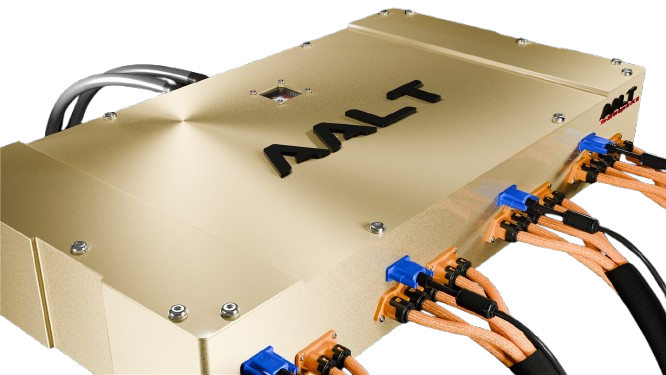
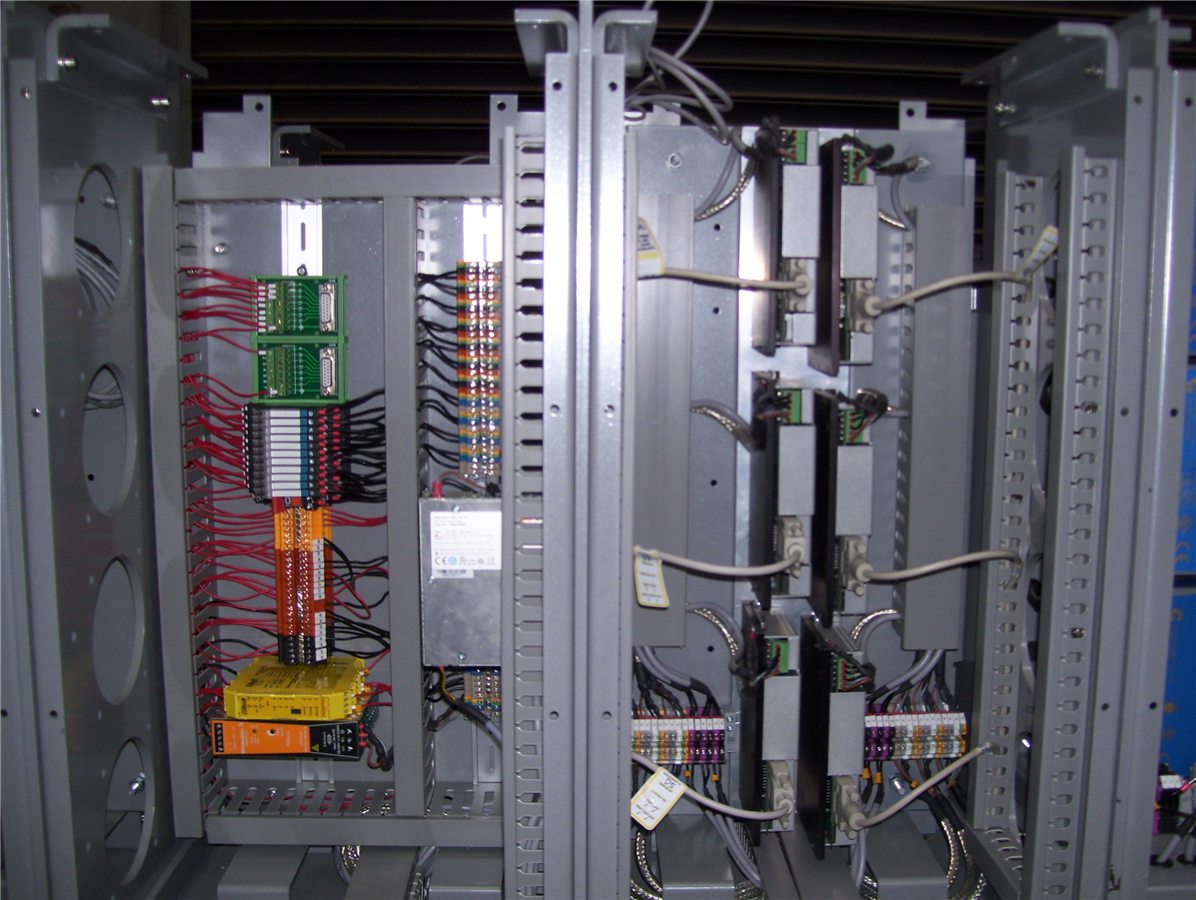
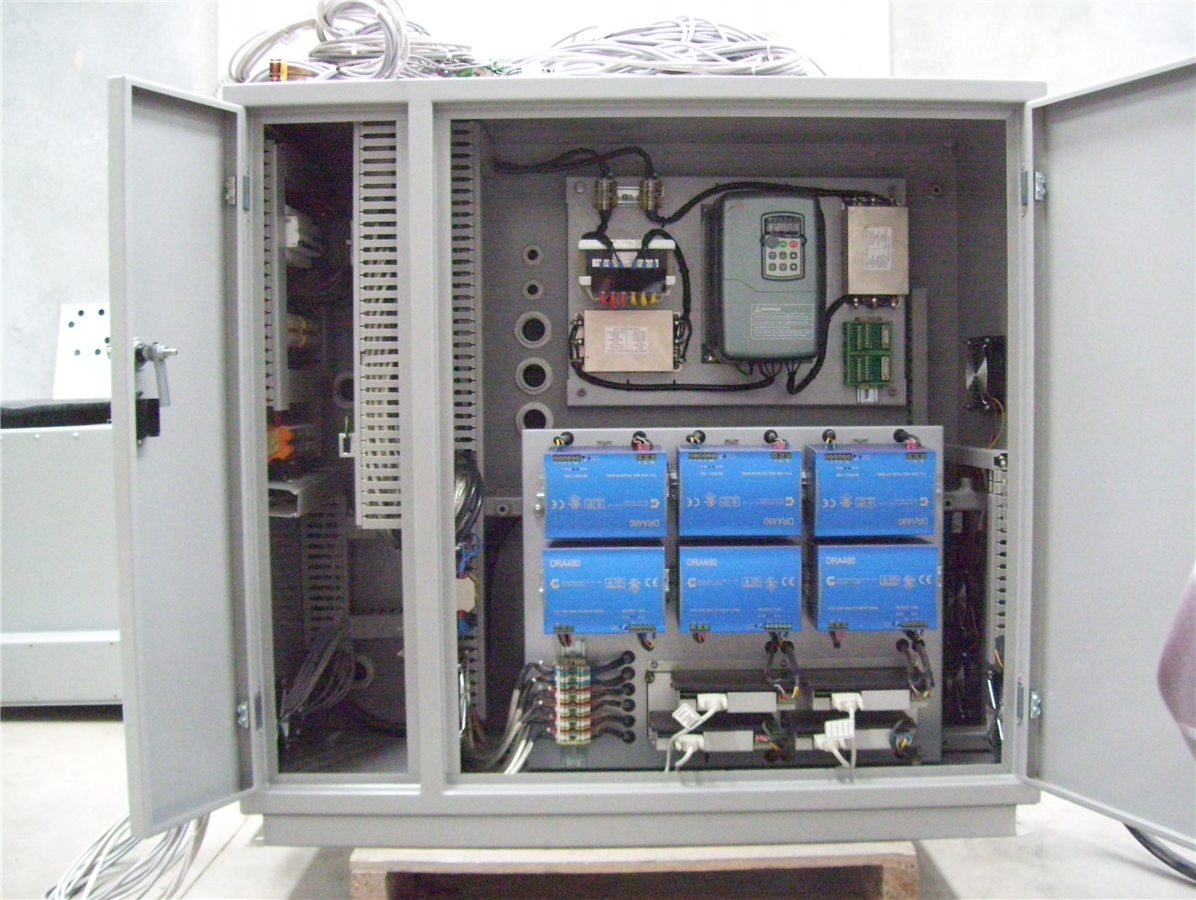
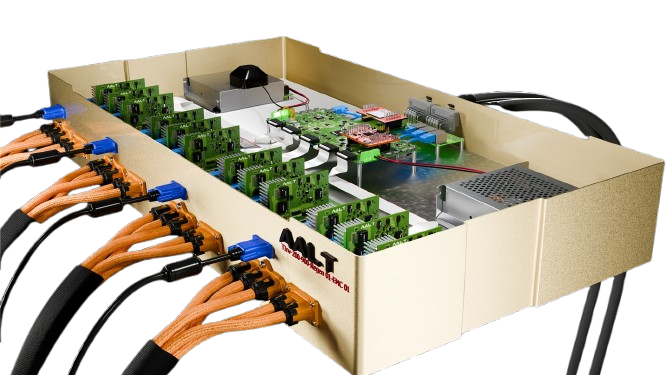
Each controller commands up to six onboard actuators from actuator-sensor feedback and coordinating-controller commands. A vehicle uses 2–12 local controllers according to size and power.
A distributed hierarchy coordinating vehicle and wayside actuation, sensing, communication, tracking and redundant safety.
AALT has developed a distributed motion-control architecture for fully autonomous operation. Local controllers close the fastest control loops, coordinating controllers translate system commands, and central controllers manage vehicle scheduling across the network.
The architecture integrates actuators, power converters, a large sensory system and multiple motion controllers through wired and wireless communications.
Object detection, avoidance and tracking through RTMOD and RTMOT operate alongside a redundant motion safety system.
Dual-core microcontrollers handle local and coordinating functions, while PC-based multicore processing supervises scheduling and controller domains.
Each controller commands up to six onboard actuators from actuator-sensor feedback and coordinating-controller commands. A vehicle uses 2–12 local controllers according to size and power.
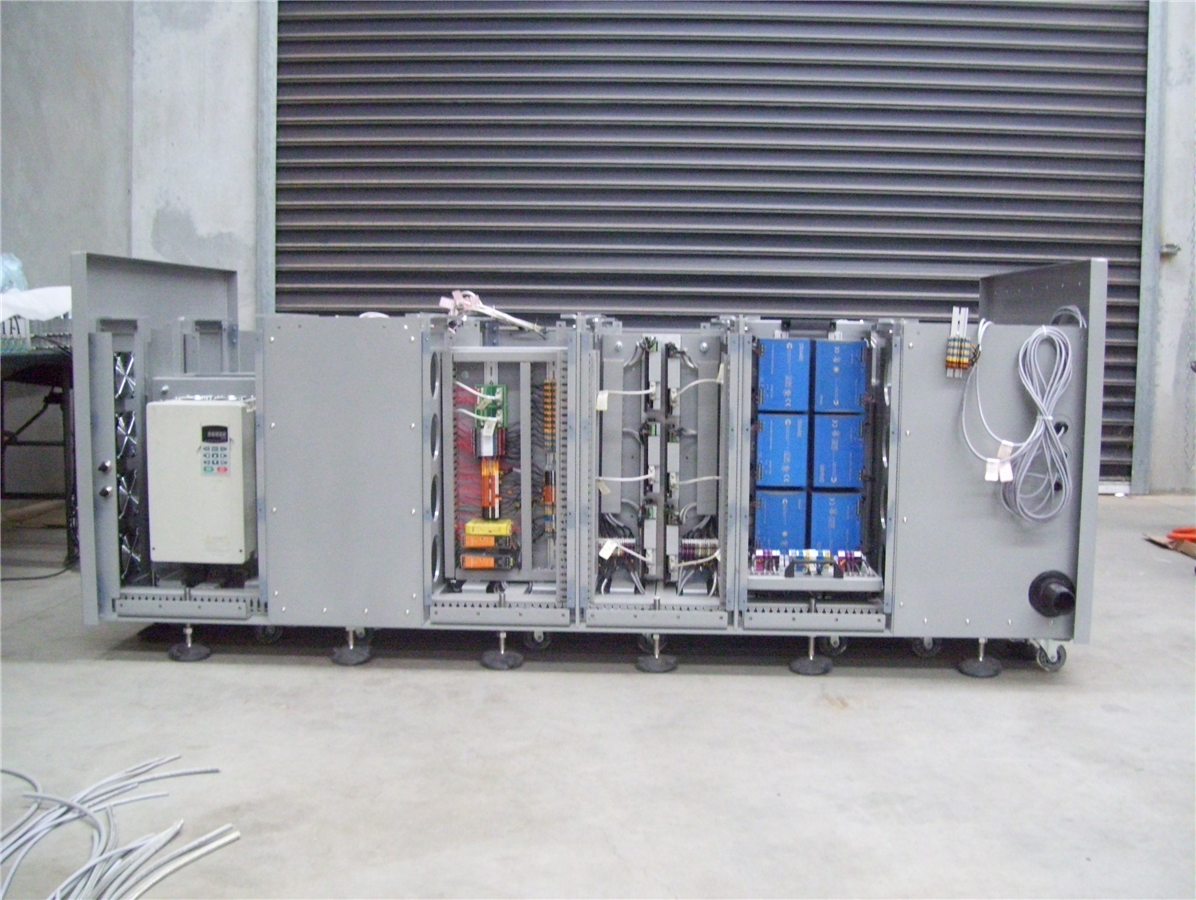
Track-installed controllers command up to six wayside actuators. Each 30 m actuation segment can use 1–9 local controllers according to vehicle size and power.
One controller per vehicle sends position, speed, acceleration and braking commands using coordinating-sensor readings and central commands.
One controller per 30 m track segment commands the local track controllers from wayside sensor readings and central commands.
PC-based multicore controllers coordinate scheduling, vehicle identity and controller domains within a 2 km radius, with overlap between adjacent domains.
In simpler low-power systems, the central controller can command local control systems directly without a coordinating layer.